Why food-labelling rules keep tightening
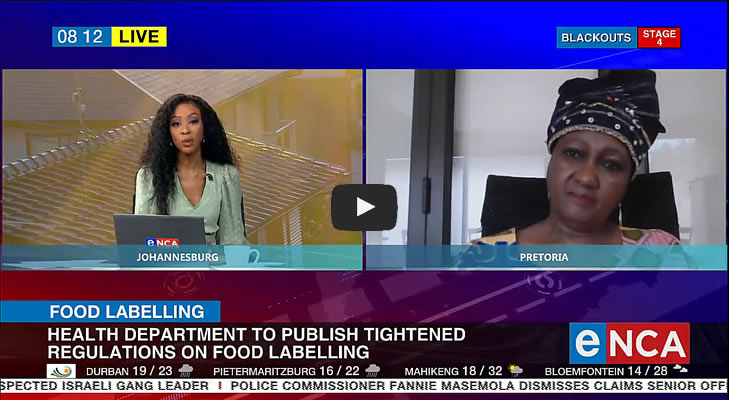
South Africa’s food-labelling regulations exist to make sure shoppers can trust what’s printed on a pack – ingredients, allergens, and date marking among them. As those rules are reviewed and tightened, the goal is consistently the same: clearer, more reliable information so households can make informed choices, especially around the dates that determine how long a product can safely be kept.
Date marking: quality vs. safety
At the centre of most labelling confusion is the gap between a best-before date (an estimate of peak quality) and a use-by date (the actual safety cut-off). Tighter regulation generally means clearer labelling of this distinction, not just stricter enforcement – which matters because so much “waste” happens simply because shoppers treat every date as a safety deadline.
Where Best Before fits in
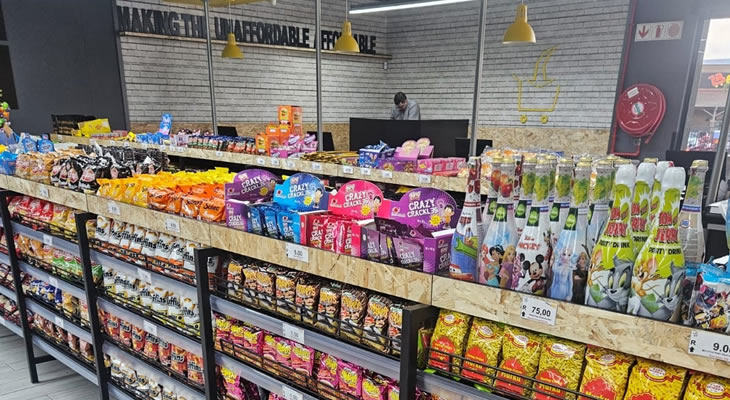
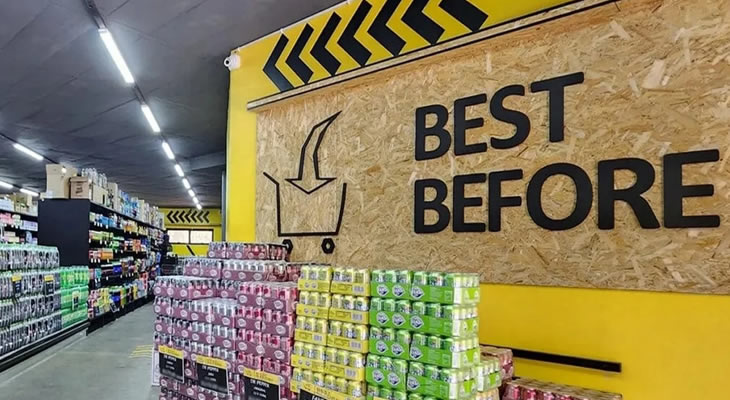
Best Before’s entire model depends on getting this distinction right. Every product sold comes from a reputable, quality-controlled supplier, and the business never sells anything past its use-by date – only stock that is close to or past its best-before date, which remains safe and suitable to use. That’s how tightened labelling rules and lower prices for shoppers end up working in the same direction.
See what that looks like on the shelf this week: check out this week’s Weekly Deals.
Who’s accountable for what’s on the shelf
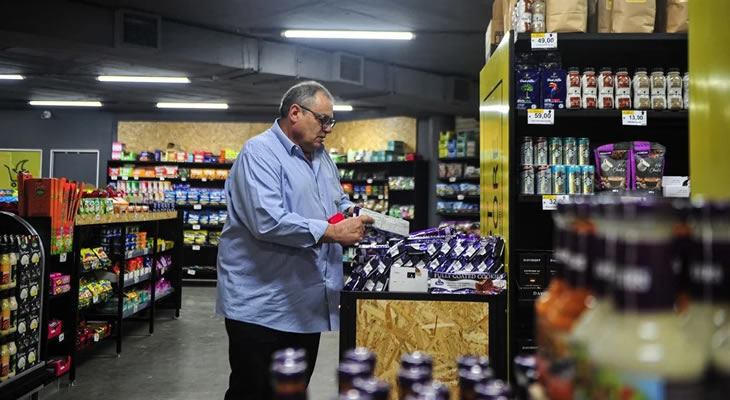
Tighter labelling rules put more responsibility on retailers to back up what’s printed on a pack, and Best Before’s answer to that is supplier vetting: every product sold comes from a trusted, reputable supplier with its own quality control, not from unknown or unverified sources. If a customer isn’t satisfied with a purchase for any reason, it can be refunded – a straightforward guarantee that sits comfortably alongside stricter labelling standards rather than against them.