Clearing up the confusion
South Africa’s Health Minister has had to step in more than once to clear up a persistent misunderstanding: the belief that any printed date on a food package is an automatic safety deadline. It isn’t – and that confusion leads to good, safe food being thrown away unnecessarily, while pushing shoppers toward paying full price for things they didn’t need to.
Best-before vs. use-by
The clarification comes down to two different dates with two different jobs. A best-before date is about quality – it tells you when a product is expected to be at its peak, not when it becomes unsafe. A use-by date is about safety – that’s the one date that genuinely matters for whether a product should still be eaten.
How Best Before applies the distinction
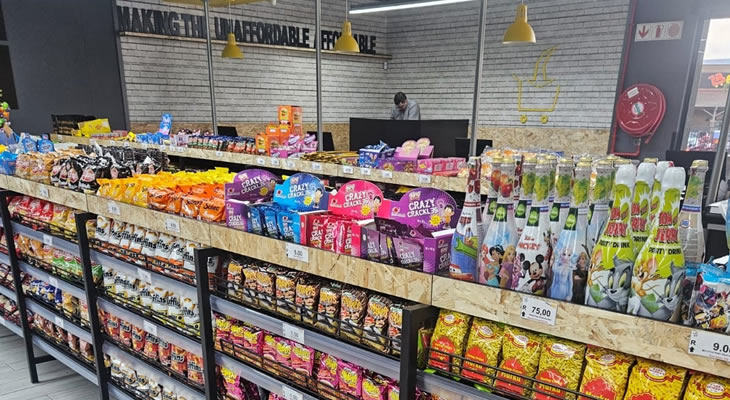
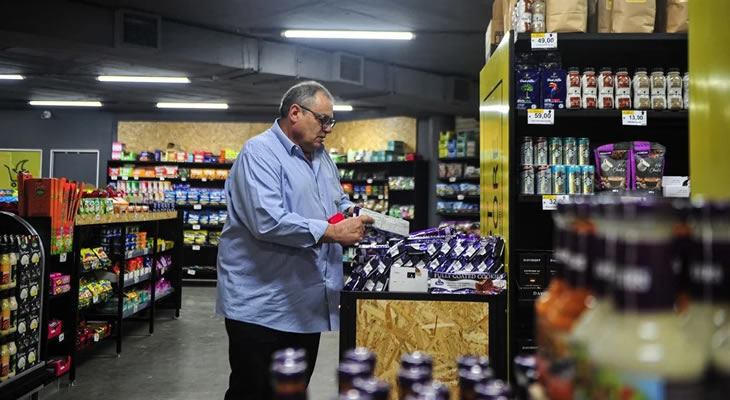
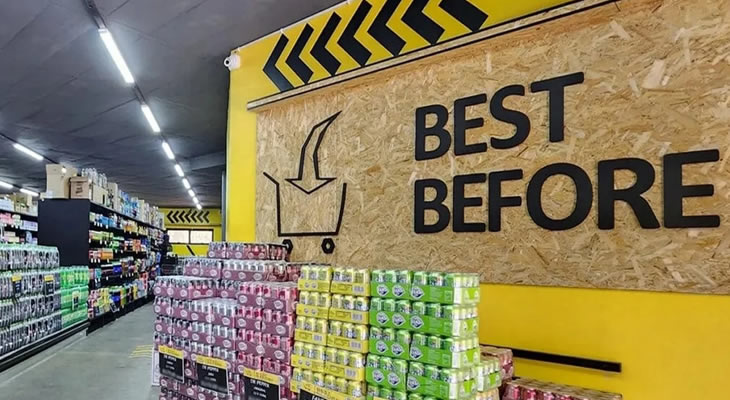
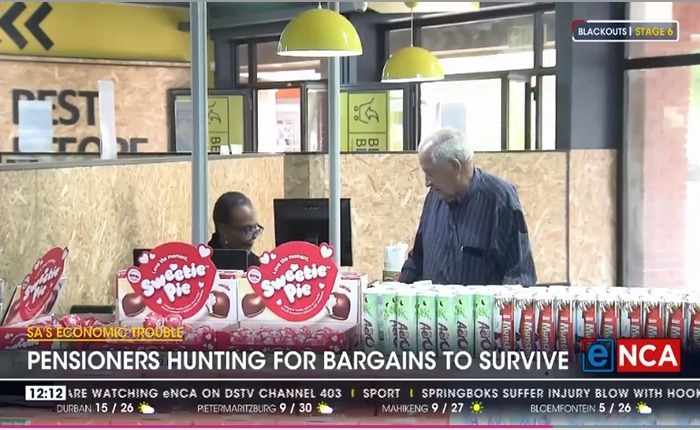
Best Before’s entire clearance model is built around that gap. The business buys quality, branded stock from reputable suppliers while it’s close to or past its best-before date – and therefore available at a steep discount – but it never, under any circumstances, sells a product past its use-by date.
See what that means for your trolley this week: check out this week’s Weekly Deals.
A guarantee behind the explanation
It’s one thing to explain the difference between the two dates; it’s another to shop on the strength of it. Best Before backs that explanation with a guarantee of its own: every product comes from a trusted, reputable supplier with its own quality control, and if a customer isn’t happy with a purchase for any reason, it’s refunded – no questions about the date on the pack required.
Understanding the difference, in other words, isn’t just useful trivia – it’s the reason this kind of saving is possible at all.
It also explains why a Best Before shelf looks almost identical to a traditional supermarket’s, just priced differently – the products haven’t changed; only how close they are to a quality date that was never a safety date to begin with.