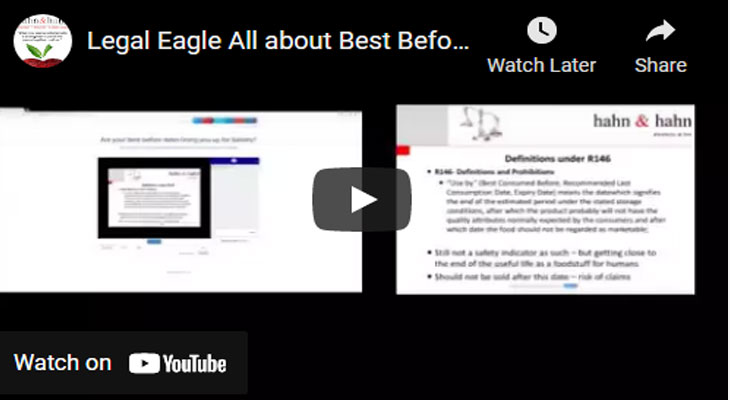
Webinar on durability dating of foodstuffs in South Africa. Typically Best Before dates are considered expiry dates by the public but its not as simple as that.
What “durability dating” actually covers
“Durability dating” is the formal term for the date marks printed on packaged food – and, as this webinar sets out, it’s more nuanced than most shoppers assume. The public tends to treat any printed date as an expiry date, but that’s rarely accurate. A best-before date is a quality estimate, not a safety line, and treating the two as identical means perfectly good food gets thrown away – or left on a shelf – for no good reason.
The line that actually matters: use-by
The genuine safety cut-off is the use-by (expiry) date. Food is safe to eat right up to that point, best-before date or not. That distinction is the entire basis of the clearance-retail model: buying quality branded stock that’s close to or past its best-before date – while it’s still well within its use-by date – at a steep discount, and passing that discount on to the customer.
How Best Before applies this
Every product on a Best Before shelf comes from a reputable, quality-controlled supplier, and nothing is ever sold past its use-by date. That’s what makes it possible to offer real, trusted brands at a meaningful discount without compromising on safety.
See the savings for yourself: check out this week’s Weekly Deals.
Where to see the model in action
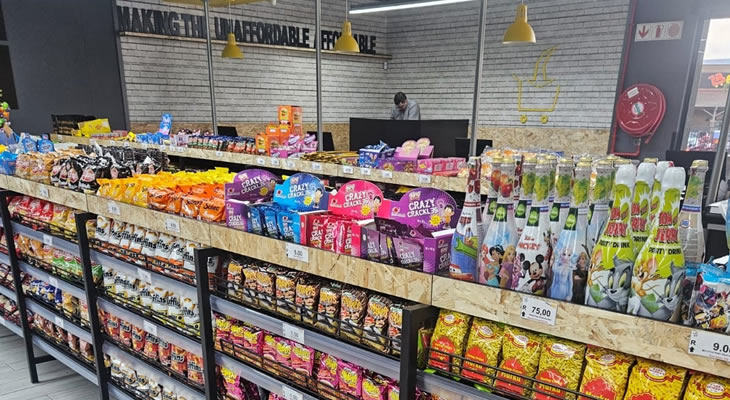
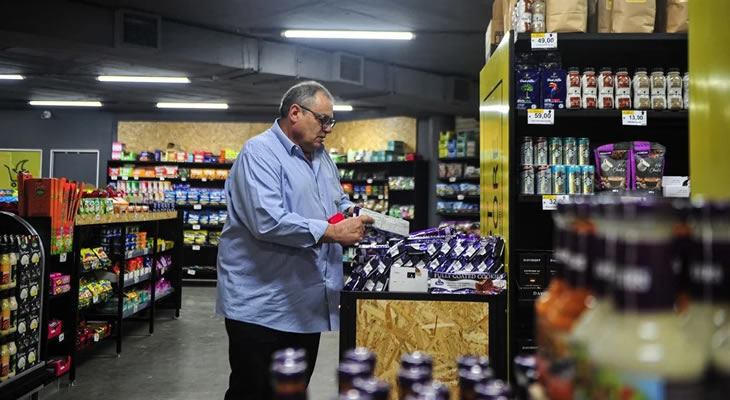
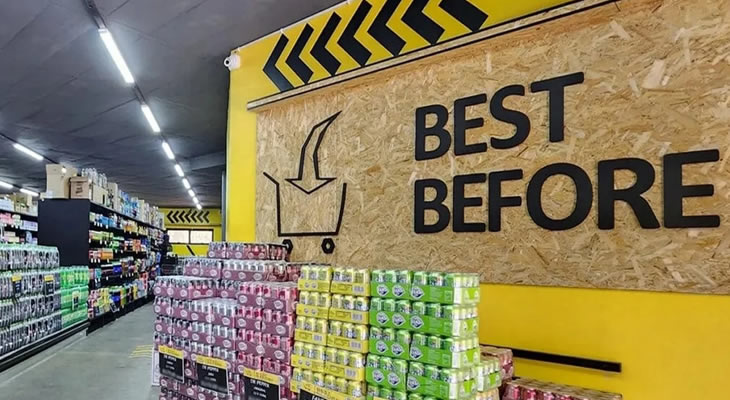
Best Before now runs nine stores across Gauteng – Woodmead, Edenvale, Fourways, Northcliff, Krugersdorp, Boksburg, Centurion, Atterbury and Wonderboom – plus online shopping with courier delivery or in-store collection, so the durability-dating principles covered in the webinar aren’t just theory. They’re the reason the same trusted, branded products can sit on these shelves at a steep discount to the big supermarkets.