Speaking at a press briefing, Health Minister Aaron Motsoaledi explained the difference between the sell by, best before date and expiry date on food products.
Three dates, three meanings
South Africa’s Health Minister, Aaron Motsoaledi, used a press briefing to untangle three date terms that are often confused with each other: sell-by, best-before and expiry (use-by). They aren’t interchangeable, and knowing the difference can save a household real money.
- Sell-by date: a stock-management instruction to the retailer, telling them when to pull an item from the shelf – it isn’t a safety cut-off for the shopper at all.
- Best-before date: an estimate of peak quality – taste, texture, colour. The product is still safe to eat after this date; it may just not be at its absolute best.
- Expiry (use-by) date: the real safety line. This is the date that matters for food safety, and it’s the one Best Before never crosses.
Why this matters for your trolley
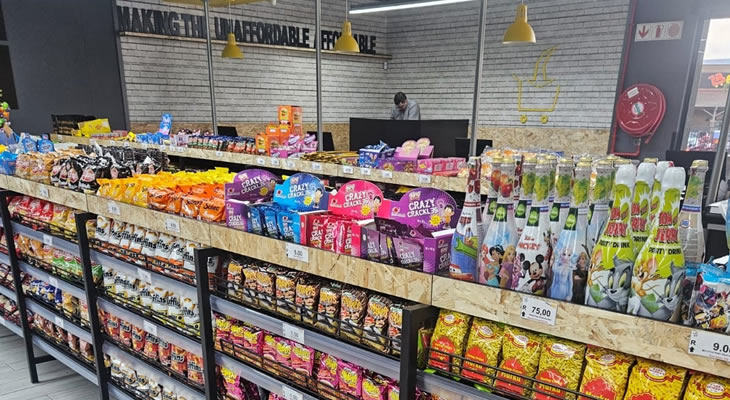
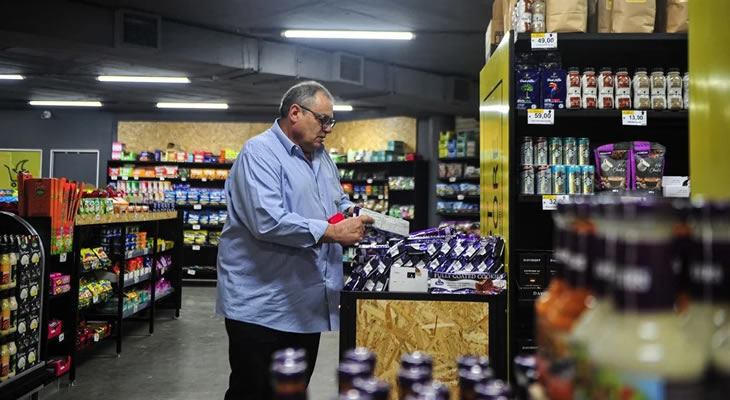
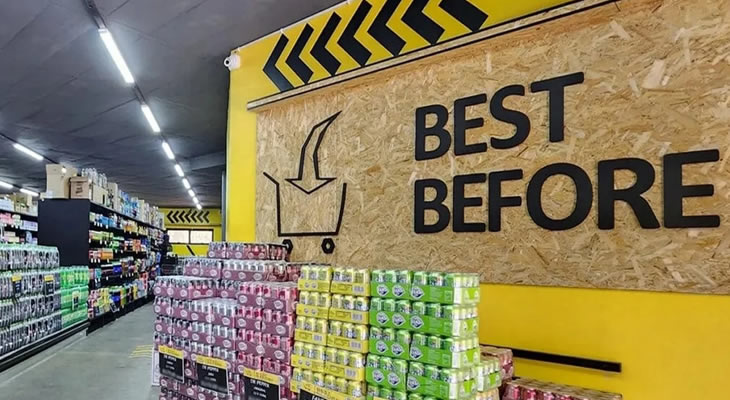
Once you separate “best before” from “use-by,” a whole category of perfectly good, perfectly safe stock opens up – stock that’s simply past its quality-estimate date, not its safety date. That’s the gap Best Before’s entire business is built on: buying this stock from reputable suppliers at a steep discount and passing the saving on, while still refusing to sell anything past its use-by date.
Curious what’s on sale this week? Check out this week’s Weekly Deals.
Shopping with the right date in mind
In practice, that means a Best Before shelf is full of products that would otherwise have been pulled from a traditional supermarket for being too close to their best-before date – sold on, at a discount, while still well inside their use-by date. Every line still comes from a reputable, quality-controlled supplier, and any order placed after 14:00 is simply processed the next working day, the same as it would be anywhere else.